
Table of Contents
ToggleIntroduction
Brothers, if you are running a dropshipping business or a D2C brand in 2026, you know that a single viral ad can skyrocket your sales. I’ve seen people pay agencies thousands of dollars, only to get zero results. That’s why, today, I’m going to show you how major brands—and I personally—use AI Tools for B2C Brands to automate ads and dominate the niche.
In 2026, AI has made creating viral ads faster, cheaper, and insanely effective. In this guide, I’ll break down the 7 best AI tools that are redefining digital marketing 2026, helping you scale visual branding and boost ad conversion instantly.
AI Tools for B2C Brands
What it is
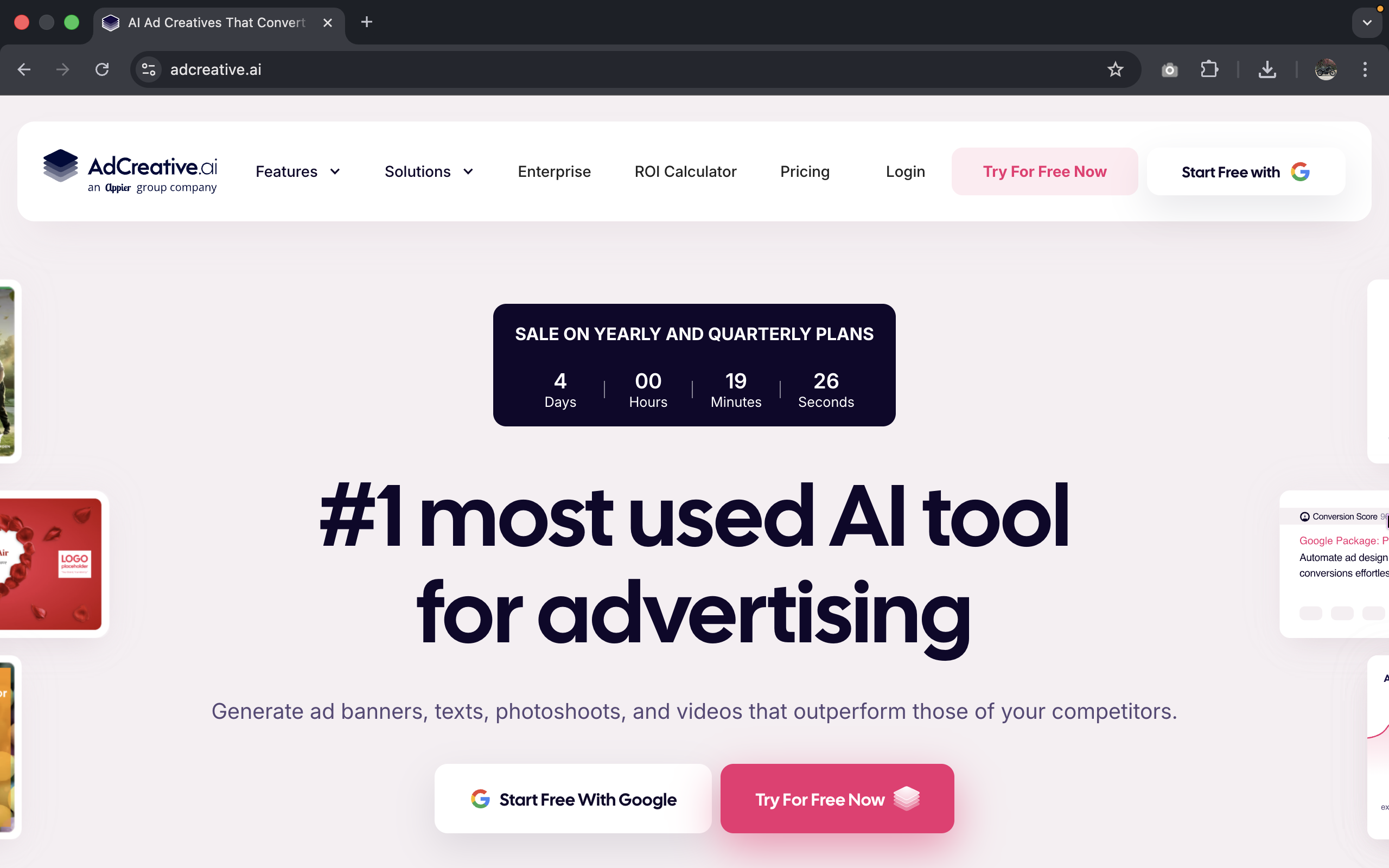
An AI-powered platform designed to generate high-converting ad creatives, headlines, and videos.
Key Features for 2026
•Predictive performance scoring (AI estimates ad success before launch)
•AI video generation for social ads
•Creative insights based on past campaign data
•Automated copywriting for ads
Why it’s best for B2C/E-commerce
In my experience, this is one of the few tools that actually focuses on ROI, not just design. If you’re running paid ads on Meta or Google, the predictive scoring feature can save thousands in testing.
Pros
•Data-driven ad creation
•Fast iteration of multiple creatives
•Great for scaling campaigns
Pro Tip :
Personal Verdict: “Friends, if you’re on a tight budget and are unsure which ad design will rank, you absolutely must check out AdCreative’s ‘Scoring System.’ It tells you upfront whether people will click on it or not.”
Cons
•Requires some ad spend history for best results
•Slight learning curve for beginners
2. Canva Magic Studio
What it is
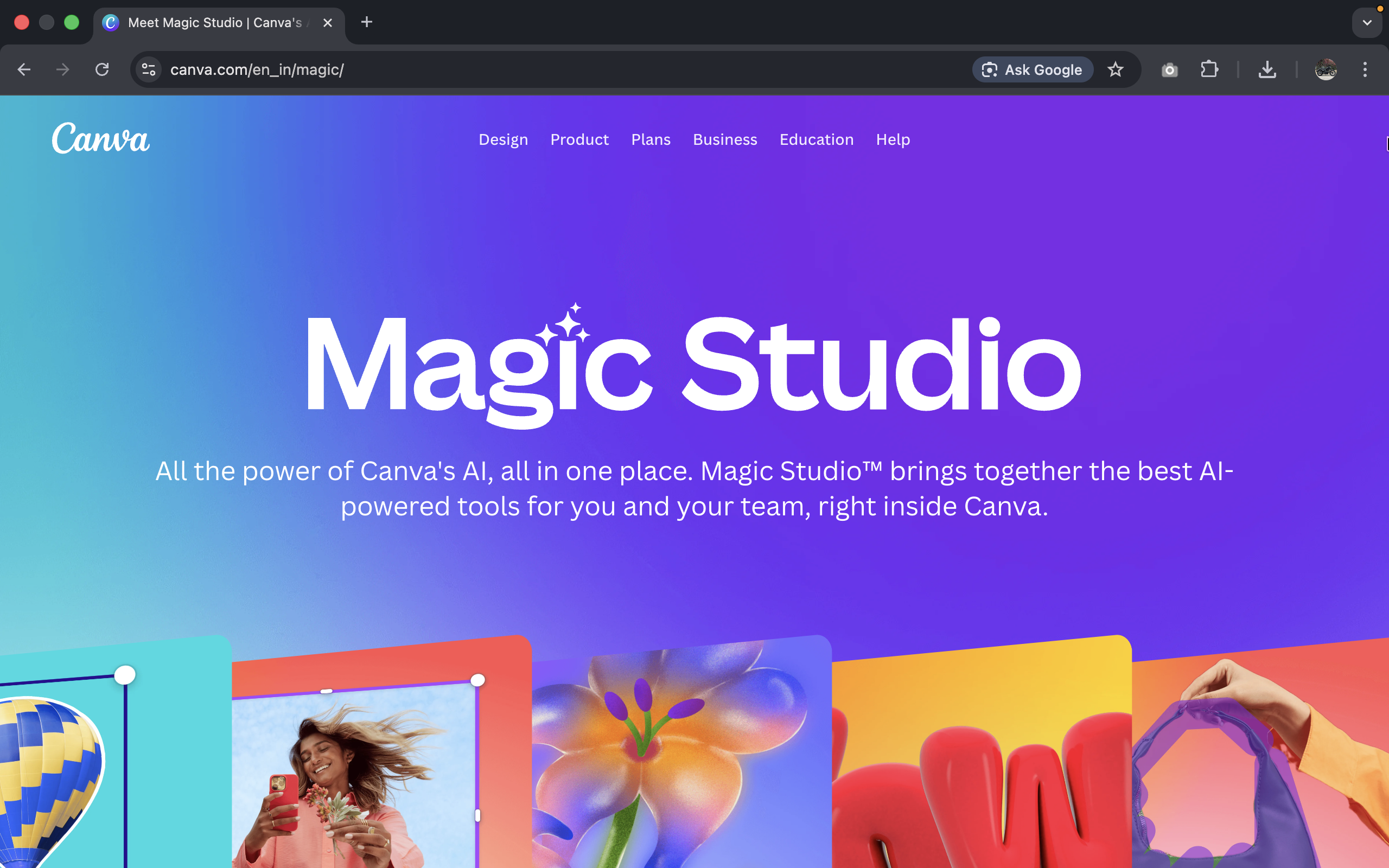
A powerful AI-enhanced design suite built into Canva, ideal for creating ads quickly.
Key Features for 2026
•One-click ad resizing for all platforms
•Direct Meta ads integration
•AI-generated visuals and text
•Brand kit automation
Why it’s best for B2C/E-commerce
If you are just starting, Canva is unbeatable. It simplifies visual branding while integrating directly with ad platforms—perfect for quick launches.
Pros
•Beginner-friendly
•Affordable pricing
•Massive template library
Cons
•Less advanced AI compared to niche tools
•Limited deep analytics
⸻
3. Midjourney v8 (Alpha)
What it is
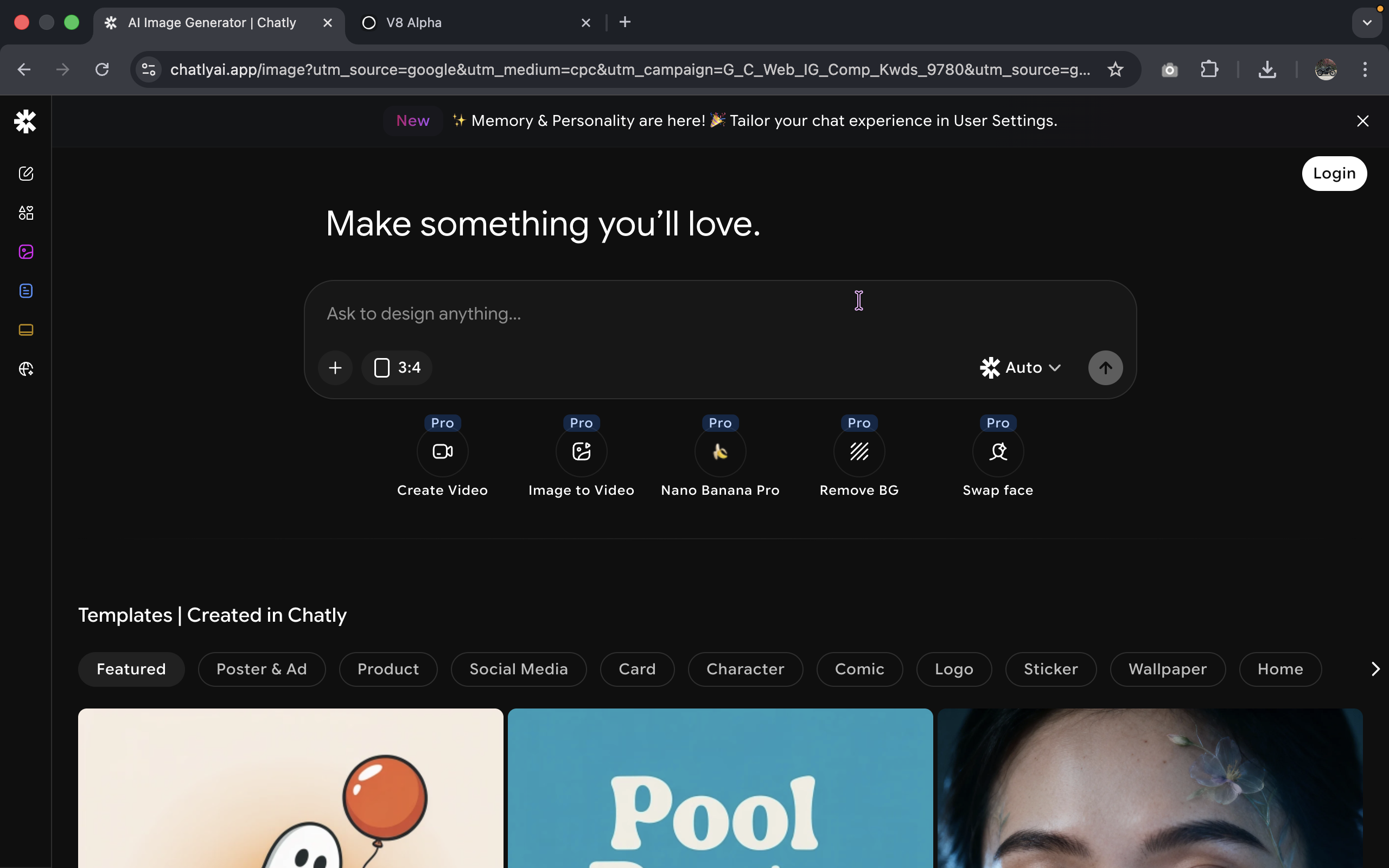
A next-gen AI image generator known for creating ultra-realistic and artistic visuals.
Key Features for 2026
•Hyper-realistic product photography
•High-end aesthetic rendering
•Advanced prompt control
•Studio-quality lighting simulation
Why it’s best for B2C/E-commerce
Forget expensive photoshoots. Midjourney lets you create premium-looking product images that instantly elevate your brand.
Pros
•Stunning visuals
•Cost-effective alternative to photography
•Great for premium branding
Cons
•Requires prompt skill
•No built-in ad optimization
AIScoutX Pro-Tip:
“Always include ‘–v 8.0 –ar 9:16’ in your prompt when generating product images. This ensures you get high-quality images perfectly sized for Instagram Reels—ideal for 2026 mobile standards.”
4. Pencil AI
What it is
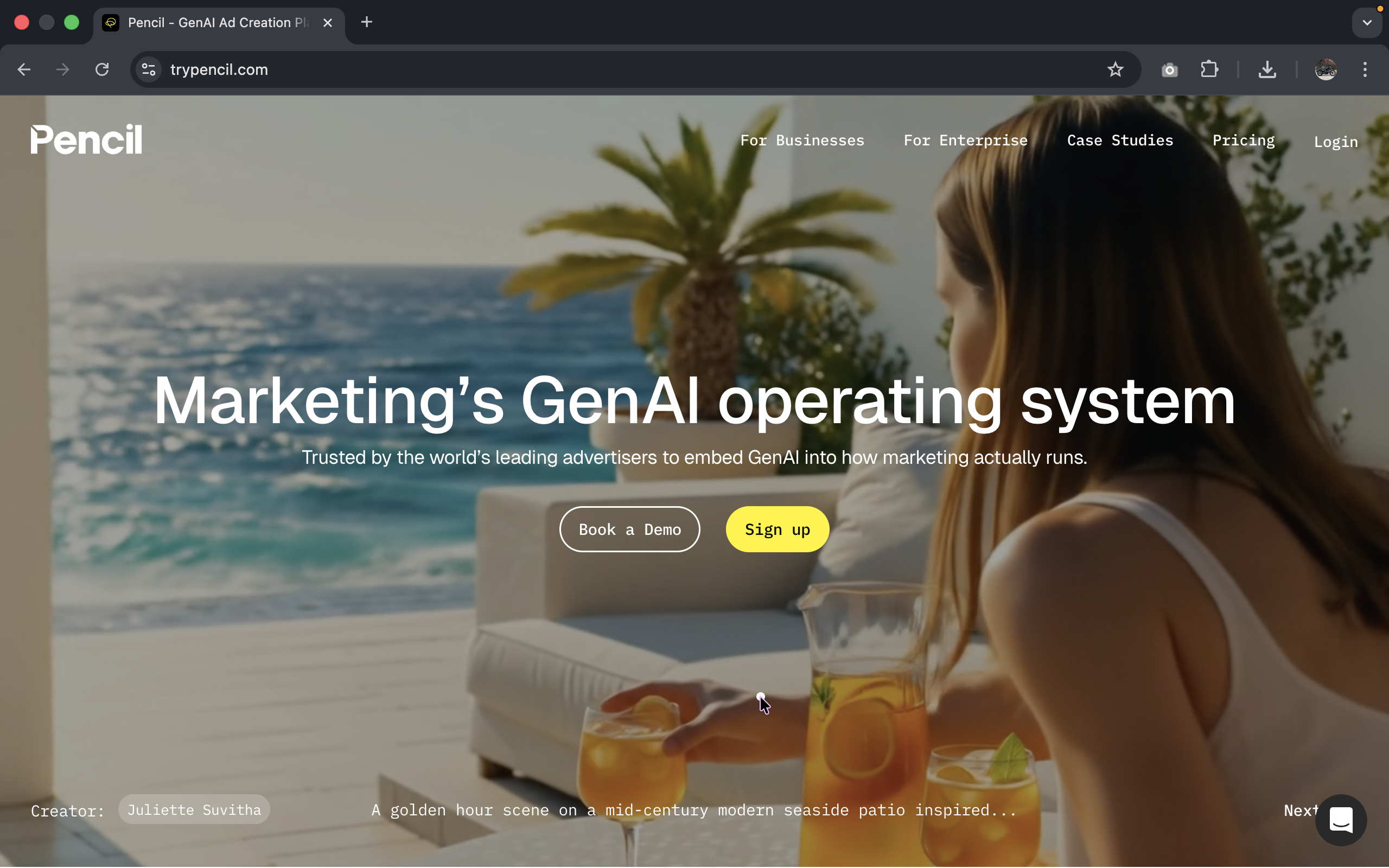
An AI tool focused on generating ad creatives backed by real-time performance data.
Key Features for 2026
•Viral hook generation
•Real-time ad analytics
•Creative testing automation
•AI learning from past campaigns
Why it’s best for B2C/E-commerce
Pro-tip: The first 3 seconds of your ad decide everything. Pencil AI excels at creating scroll-stopping hooks that improve ad conversion dramatically.
Pros
•Strong data-driven insights
•Great for performance marketers
•Continuous improvement via AI
Cons
•Premium pricing
•Requires ad testing budget
5. Flair.ai
What it is
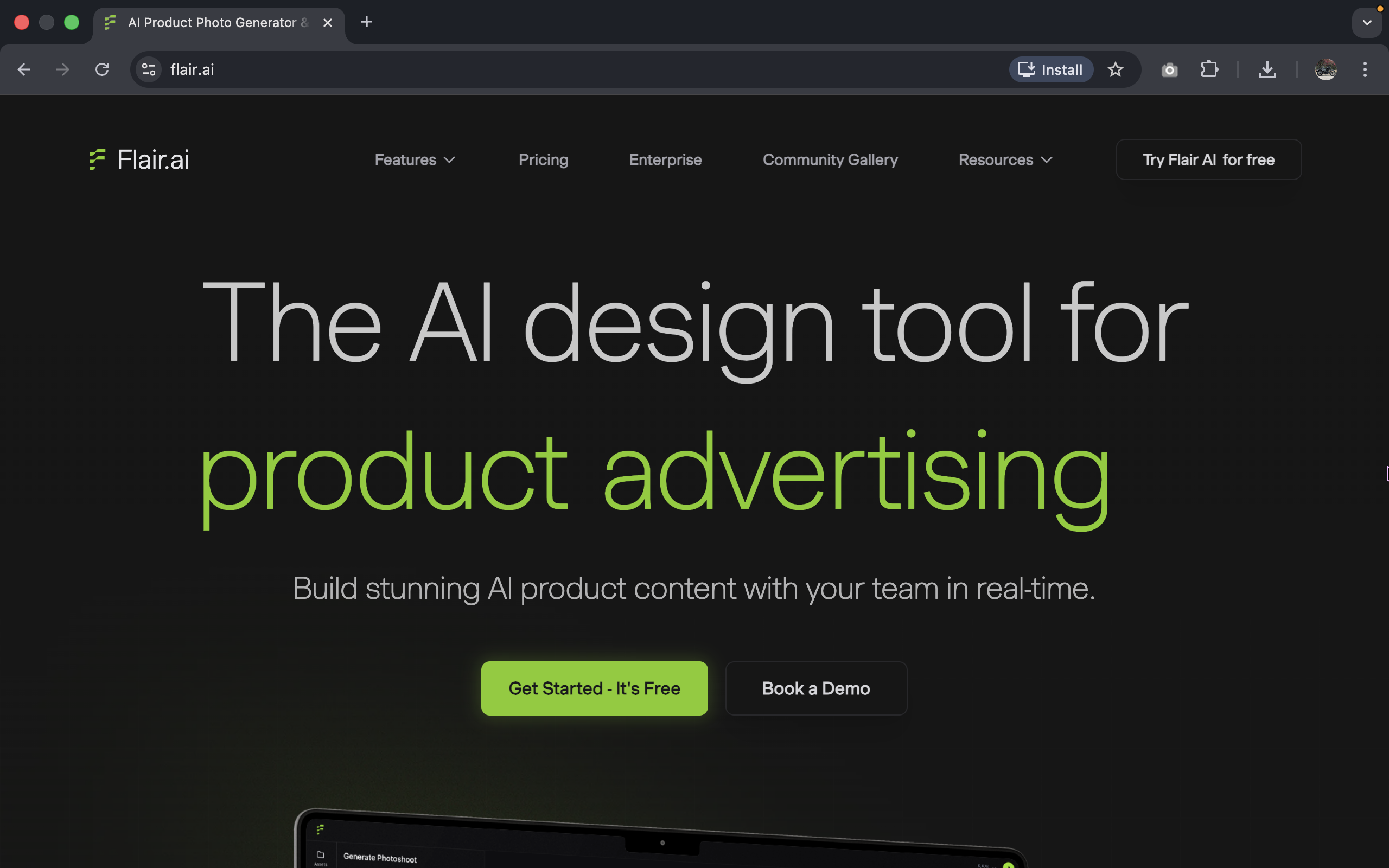
A tool designed for creating bulk product photos using AI.
Key Features for 2026
•Bulk image generation at scale
•Custom brand environments
•Drag-and-drop scene building
•AI styling for products
Why it’s best for B2C/E-commerce
If you’re running a large catalog store, this tool is a game changer. It enables E-commerce automation at scale without hiring photographers.
Pros
•Saves time and cost
•Consistent branding
•Easy to use
Cons
•Limited creative flexibility compared to Midjourney
•Best suited for product-focused brands
6. Kling AI
What it is
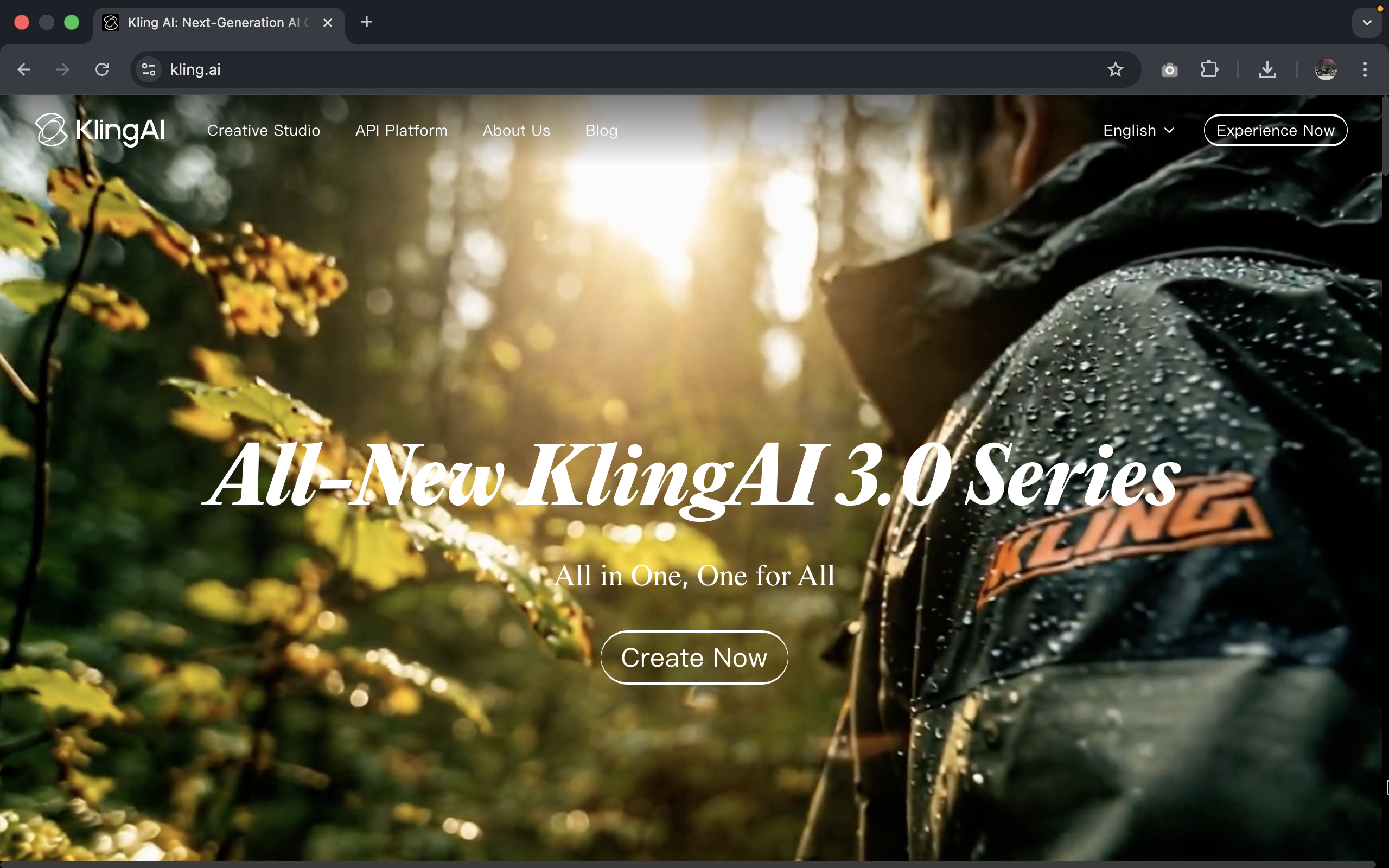
An advanced AI video generator that transforms static images into cinematic ads.
Key Features for 2026
•Cinematic product video creation
•Motion realism and physics simulation
•AI storytelling sequences
•High-definition rendering
Why it’s best for B2C/E-commerce
Video ads dominate in 2026. Kling AI lets you produce premium-level videos without a production team.
Pros
•High-quality video output
•Great for storytelling ads
•Saves production costs
Cons
•Still evolving
•Processing time can be longer
7. CapCut Desktop AI
What it is
A desktop video editor with built-in AI features optimized for social media ads.
Key Features for 2026
•Auto-captions for reels and TikTok
•Viral ad templates
•AI background removal
•Smart editing suggestions
Why it’s best for B2C/E-commerce
If you’re focused on TikTok or Instagram Reels, this tool is essential. It helps you create viral-ready content fast.
Pros
•Free and powerful
•Perfect for short-form content
•Easy to use
Cons
•Limited advanced customization
•Best for social-first brands
Comparison Table
If you are confused about where to start, my advice is this: Canva for designs, AdCreative for ads, and CapCut for viral videos.
|
Tool |
Best For |
Pricing Type |
|---|---|---|
|
AdCreative.ai |
Performance-driven ad creatives |
Subscription |
|
Canva Magic Studio |
Beginner-friendly design & ads |
Freemium |
|
Midjourney v8 |
Premium product visuals |
Subscription |
|
Pencil AI |
Data-backed ad optimization |
Premium |
|
Flair.ai |
Bulk product photography |
Subscription |
|
Kling AI |
Cinematic video ads |
Subscription |
|
CapCut Desktop AI |
Viral short-form content |
Free/Freemium |
Final Thoughts
The brands winning in digital marketing 2026 aren’t necessarily bigger—they’re smarter. They use AI to move faster, test more, and scale what works.
“Check out our Contact Us page if you have any questions.”
If you’re serious about growth, start with 1–2 tools from this list and build your workflow around them. Combine E-commerce automation with strong visual branding, and you’ll see a massive boost in ad conversion.
Your next move?
Pick a AI Tools for B2C Brands, create your first AI-powered ad today, and start testing. The sooner you adapt, the faster you scale.
Because in 2026, viral ads aren’t luck—they’re engineered.
Look, everyone has the tools, but the real winner is the one who starts first. To reach your goal, never compromise on the quality of your content. If you have any doubts, leave a comment below—I will reply to every single one!
“Want to know more about us? Visit our About Us page.”